

How to Spot a High-Quality Diamond Like an Expert
Evaluating a diamond can feel intimidating to the untrained eye. With brilliant lighting and high-gloss marketing in jewelry stores, almost every gemstone appears to sparkle effortlessly. However, assessing a diamond like an expert requires looking beyond immediate surface shine. Gemologists rely on standardized criteria, precise tools, and trained optical observation to determine a stone’s true quality, durability, and value.
By understanding the key characteristics that define diamond excellence, you can navigate the diamond selection process with confidence, avoiding common markups on invisible characteristics while identifying stones that deliver exceptional beauty and long-term value.
Understanding the Foundations: The Four Cs
The universal language of diamond grading revolves around the Four Cs established by the Gemological Institute of America: Cut, Color, Clarity, and Carat weight. Master gemologists evaluate how these four attributes interact, as no single factor determines quality in isolation.
Cut: The Engine of Sparkle and Light Performance
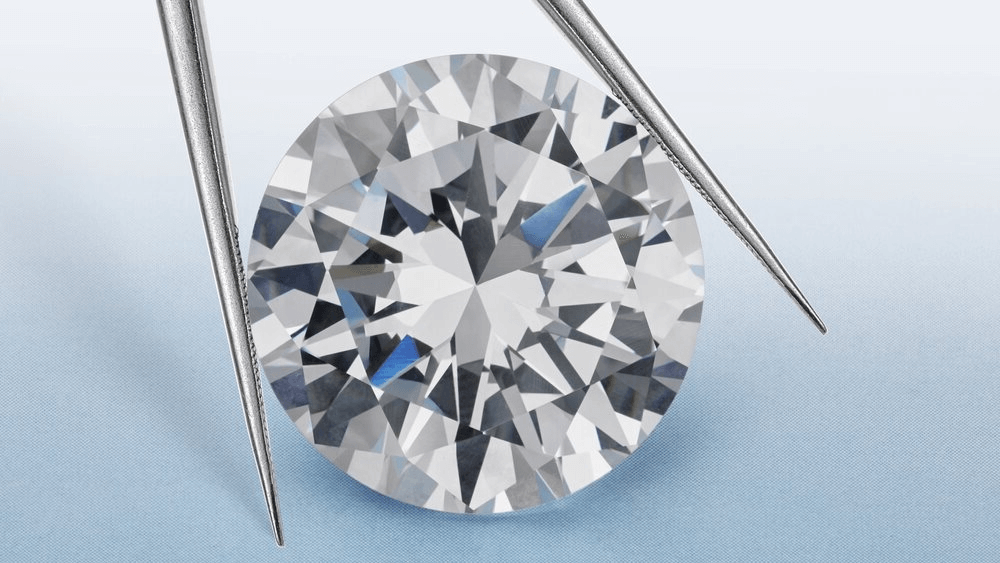
While many confuse cut with shape, cut actually refers to how effectively a diamond’s facets interact with light. Cut is widely considered the most critical factor in determining a diamond’s visual impact.
-
Proportions: The depth and table percentages dictate how light travels inside the stone. If a cut is too shallow, light leaks out through the bottom; if it is too deep, light escapes through the sides, making the stone appear dull.
-
Symmetry: The alignment and precision of opposing facets ensure that incoming light reflects back evenly through the top of the diamond, maximizing brilliant flashes.
-
Polish: The smoothness of the facet surfaces prevents microscopic scratches from scattering light in unwanted directions, preserving a crisp finish.
Color: Evaluating the Absence of Tint
In white diamonds, quality is graded on the absence of color. The color scale ranges from D (completely colorless) to Z (noticeable light yellow or brown tint).
-
Colorless Range (D through F): Highly rare and valuable, showing zero trace of color even under magnification.
-
Near-Colorless Range (G through J): Appears colorless to the naked eye when mounted in jewelry, offering exceptional value without sacrificing visual quality.
-
Warm Range (K and Below): Exhibits visible yellow or warm undertones, which can pair beautifully with yellow or rose gold settings but lower market value.
Clarity: Inspecting Internal and Surface Imperfections
Clarity measures the microscopic internal characteristics (inclusions) and surface blemishes present within or on the stone.
-
Flawless and Internally Flawless (FL/IF): Completely free of internal inclusions under 10x magnification.
-
Very Very Slightly Included (VVS1/VVS2): Inclusions are so minute that experienced graders struggle to find them under magnification.
-
Very Slightly Included (VS1/VS2): Small inclusions that require effort to locate under magnification and remain invisible to the naked eye.
-
Slightly Included (SI1/SI2): Inclusions are easily noticed under magnification and may sometimes be eye-visible upon close inspection.
-
Included (I1/I2/I3): Inclusions are obvious to the naked eye and can affect the structural stability of the stone.
Carat Weight: Balance Over Size
Carat measures the actual weight of the diamond rather than its physical size dimensions. An expert knows that a large carat weight paired with a poor cut often results in a wide, flat stone that lacks sparkle. Prioritizing cut quality over raw carat weight ensures a vibrant stone regardless of size.
Looking Beyond the Certificate: Expert Evaluation Techniques
While official grading reports provide essential measurements, two diamonds with identical certificates can look completely different in person. Experts rely on optical evaluation techniques to separate good stones from extraordinary ones.
Assessing Eye-Cleanliness
A stone is considered eye-clean if it has no inclusions visible to the naked eye from a distance of roughly six to nine inches under normal lighting. You do not need to pay a premium for Flawless or VVS clarity grades when a VS2 or eye-clean SI1 diamond delivers the exact same visual appearance without the higher price tag. Look at the stone from multiple angles, paying close attention to the center table facet where inclusions are easiest to spot.
Evaluating Light Return, Fire, and Scintillation
A superior diamond exhibits three distinct visual phenomena when interacting with light:
-
Brilliance: The white light reflected back to the viewer’s eyes.
-
Fire: The dispersion of white light into vivid spectral rainbow colors.
-
Scintillation: The rhythmic pattern of dynamic flashes and dark contrast created when the diamond or light source moves.
To properly observe these traits, step away from intense jewelry store spotlights. Examine the stone under natural daylight, diffuse office lighting, and low-light environments to see how it performs under real-world conditions.
Identifying Unfavorable Inclusions
Not all inclusions carry equal weight. An expert considers both the location and type of inclusion:
-
Inclusion Location: Inclusions located along the outer edges or hidden near prongs are far preferable to dark carbon spots sitting directly under the center table.
-
Structural Hazards: Avoid inclusions like large feathers or deep cavities that reach the surface, especially near the girdle or corners of fancy shapes, as they increase the risk of chipping during daily wear.
The Role of Fluorescence in Diamond Selection
Fluorescence describes how a diamond reacts when exposed to ultraviolet light. Roughly thirty percent of natural diamonds emit a soft blue glow under UV radiation.
Strong blue fluorescence in colorless diamonds (D through F range) can occasionally cause the stone to look hazy, oily, or milky in natural sunlight. However, medium or faint blue fluorescence in near-colorless stones (H through J range) can actually neutralize faint warm tones, making the diamond appear whiter without affecting transparency.
Selecting the Right Certification Body
An expert never purchases an uncertified diamond. However, grading standards vary significantly across different gemological laboratories. To guarantee that the grades listed reflect true quality, insist on grading reports issued by internationally recognized independent institutions with strict, consistent standards.
-
Gemological Institute of America (GIA): The world benchmark for diamond grading, known for strict consistency in color and clarity assessments.
-
American Gem Society (AGS): Renowned for its rigorous numerical cut grading system and detailed light performance analysis.
Be cautious of certificates issued by house laboratories or lesser-known organizations, which may inflate color or clarity grades by several levels.
Essential Expert Tips for Diamond Shopping
-
Prioritize Cut Above All Else: A diamond with excellent cut proportions makes a stone appear larger, brighter, and whiter than its official grade suggests.
-
Choose Color Based on Metal Choice: If mounting the diamond in yellow gold or rose gold, you can safely select an H, I, or J color diamond without noticing any warm tones, as the metal setting reflects through the stone.
-
Inspect Fancy Shapes Individually: Oval, pear, marquise, and princess cuts require careful observation to avoid dark bow-tie shadow effects running across the center of the stone.
-
Verify the Laser Inscription: Ensure the unique certificate number micro-engraved on the diamond’s girdle matches the documentation provided by the jeweler.
Frequently Asked Questions
What is the bow-tie effect in fancy cut diamonds?
The bow-tie effect is a dark, bowtie-shaped shadow running across the center table of certain elongated shapes like oval, marquise, and pear cuts. It occurs when light passes through the center of the stone without reflecting back to the surface. A mild shadow is normal, but a heavy dark bow-tie indicates poor light performance.
Can a diamond chip or break if it has low clarity?
Yes. Diamonds are the hardest known natural material, making them resistant to scratches, but they can chip along internal fracture lines if struck at the wrong angle. Stones with severe inclusions, deep feathers, or large surface-reaching cavities near the edges are at a higher risk of structural damage.
Is a VVS clarity diamond noticeably better than a VS clarity diamond to the naked eye?
No. To the naked eye, a VVS diamond and an eye-clean VS or SI diamond look identical under standard viewing conditions. The difference in clarity is visible only under 10x gemological magnification, making VS clarity a preferred sweet spot for maximum visual value.
Why do diamonds look different under store lighting compared to natural light?
Jewelry stores use specialized high-intensity halogen and LED spotlights designed to maximize surface sparkle and fire. Natural daylight and indoor fluorescent lighting expose a diamond’s true transparency, cut quality, and body color without artificial enhancement.
How does girdle thickness impact a diamond’s overall quality?
The girdle is the outer perimeter edge of the diamond. An extremely thin girdle creates fragile edges that chip easily during setting or wear. An extremely thick girdle hides unnecessary carat weight around the center perimeter of the stone, making the diamond appear smaller from the top view than its weight implies.
Are lab-grown diamonds graded on the same quality standards as natural diamonds?
Yes. Lab-grown diamonds share the exact chemical, physical, and optical properties of natural diamonds. They are graded using the same Four Cs criteria by major independent gemological institutes like the GIA, though their origin is explicitly noted on the grading certificate.
What is the ideal cut grade for a round brilliant diamond?
For a round brilliant diamond, you should aim for an Excellent grade from the GIA or an Ideal grade from the AGS. These designations guarantee that the table percentage, crown angle, pavilion angle, and symmetry are balanced to deliver maximum light reflection.


Related Posts

A Helpful Guide to the 4 C’s of Diamonds

