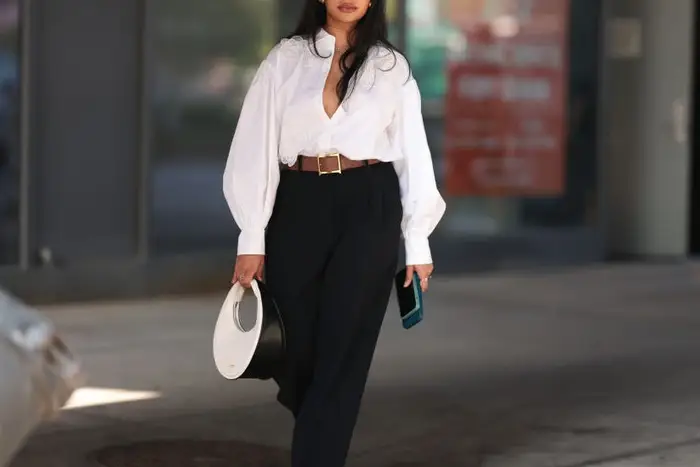
How to Style Basic Clothing for a Premium Look
Looking expensive and put-together has very little to do with the price tag on your clothes or designer labels splashed across your chest. True style lies in execution, fit, texture, and care. Basic garments—such as plain crewneck t-shirts, straight-leg denim, crisp button-downs, and classic knitwear—serve as the canvas for a sophisticated wardrobe. When styled with intention, these humble everyday items can easily project high-end elegance.
Transforming basic wardrobe staples into a premium aesthetic requires an understanding of proportion, tailoring, color theory, and garment maintenance. By focusing on how items fit and interact with one another, you can elevate affordable daily essentials into a polished, high-value signature look.
The Foundation: Tailoring and Precision Fit
No matter how high the fabric quality might be, ill-fitting clothes immediately look cheap and unkempt. The single most impactful step in making basic clothes look expensive is ensuring they fit your specific body shape perfectly.
Tailoring Your Essentials
Off-the-rack clothing is designed to fit a generic average body, which means it rarely fits anyone flawlessly right away. Establishing a relationship with a local tailor gives you a distinct sartorial advantage.
-
Hemming Trousers and Jeans: Pants that pool around your shoes look sloppy. Hemming trousers to clear the top of your shoes or sit cleanly at the ankle creates long, crisp lines.
-
Sleeve Adjustments: Jacket and shirt sleeves should end right at the wrist bone. Excessively long sleeves give the impression that you are wearing borrowed clothing.
-
Taking in the Waist: Bringing in the waist of a basic blazer or button-up shirt removes excess fabric, giving basic garments a custom, bespoke silhouette.
Understanding Proportions and Silhouettes
Balancing proportions elevates a simple outfit into a fashion-forward statement. If you are wearing relaxed, wide-leg trousers, pair them with a fitted top to create a clean visual balance. Conversely, oversized knitwear looks most intentional when paired with structured, straight-cut bottoms.
Fabric Selection and Texture Play
The materials you choose dictate how a basic garment drapes, reflects light, and holds its shape throughout the day. Premium looks rely heavily on natural fibers and tactical texture contrasts.
Prioritizing High-Quality Natural Fabrics
Synthetic blends often develop shine, pill easily, and lose their shape after a few washes. When buying basic items, prioritize natural materials that inherently look and feel rich.
-
Heavyweight Cotton: Look for high-gsm (grams per square meter) cotton for t-shirts and hoodies. Heavyweight cotton holds structure rather than clinging awkwardly to the body.
-
100% Wool and Cashmere: Choose pure wool, merino, or cashmere for sweaters instead of acrylic blends. Natural wool drapes naturally and provides rich depth.
-
Crisp Linen and Oxford Cotton: Breathable woven cottons and linens add an effortless, relaxed sophistication to summer and transitional outfits.
Combining Textures for Depth
Monochromatic or simple basic outfits can sometimes appear flat. Combining different fabric textures within the same outfit adds instant visual interest and luxury. Try pairing a smooth leather jacket over a soft knit sweater, or combine crisp cotton poplin with textured suede footwear.
Strategic Color Palettes
Color plays a massive role in how human psychology perceives value and quality. Bright, fluorescent colors or overly complex graphics can look cheap, whereas thoughtful neutral tones project quiet luxury.
The Power of Neutral Tones
Neutral colors are naturally timeless and easy to mix and match. Building a wardrobe around a cohesive palette allows basic items to look unified and intentional.
-
Monochrome Styling: Dressing in varying shades of a single neutral color—such as an all-black, all-navy, or cream-on-beige ensemble—creates a sleek, streamlined appearance.
-
Classic Neutrals: Focus on camel, charcoal grey, ivory, olive green, warm tan, and deep navy. These shades carry an elevated tone regardless of garment cost.
-
High-Contrast Simplicity: A sharp black-and-white outfit remains one of the most timeless, high-impact combinations in fashion history.
Small Details with Big Visual Impact
The difference between a average outfit and a premium look lives in the small finishing details. Addressing these subtle elements takes an outfit from mundane to exceptional.
Ironing and Steaming
Wrinkles ruin an otherwise great outfit instantly. Investing in a garment steamer or spending time ironing your basic cotton shirts and linen pants adds immediate polish. Smooth, crisp fabrics look significantly more expensive than wrinkled ones.
Upgrading Hardware and Buttons
Mass-market garments often feature cheap plastic buttons or flimsy zippers. Swapping out clear plastic shirt buttons for mother-of-pearl or horn buttons, and replacing cheap jacket buttons with polished metal or wooden alternatives, transforms basic pieces into custom-looking garments.
Mastering Tucking Techniques
How you tuck your shirt alters your body line and outfit structure.
-
The French Tuck: Tucking just the front center of a sweater or shirt while letting the sides drape loosely adds an effortless, relaxed vibe.
-
The Full Tailored Tuck: Smoothly tucking a fitted shirt or fine-knit sweater cleanly into high-waisted trousers creates a sharp, professional frame.
Footwear and Outerwear as Anchor Pieces
To elevate budget-friendly basic clothing, invest strategically in anchor items: your shoes and your coats. These outer layers frame your outfit and command immediate visual attention.
High-End Footwear Choices
Clean, well-maintained shoes immediately elevate basic jeans and t-shirts.
-
Minimalist Leather Sneakers: Plain white or black leather sneakers with zero exterior branding pair seamlessly with everything from shorts to casual suits.
-
Classic Loafers and Boots: Penny loafers, Chelsea boots, and leather dress shoes introduce structure and traditional elegance to basic denim and chinos.
Structured Outerwear
Throwing a structured coat over a basic t-shirt and jeans instantly pulls the entire look together. A well-tailored trench coat, a classic wool overcoat, or a structured leather jacket adds architectural shape, giving basic garments an expensive frame.
Garment Care and Longevity
Basic clothing only looks premium as long as it remains in pristine condition. Faded blacks, stretched-out collars, and pilled fabric degrade your overall appearance.
-
Wash Inside Out with Cold Water: Cold water prevents dark dyes from fading and keeps cotton fibers intact.
-
Air Dry Essentials: Avoid the high heat of tumble dryers, which destroys elastic fibers, shrinks cotton, and creates pilling on sweaters.
-
Use Fabric Shavers: Regularly remove lint balls and pills from knitwear using an electric fabric shaver to keep sweaters looking brand new.
-
Proper Storage: Hang jackets on wide, structured suit hangers to maintain shoulder shape, and fold heavy knits instead of hanging them to prevent stretching.
Frequently Asked Questions
What basic clothing pieces should everyone own for an elevated look?
A well-rounded elevated basic wardrobe includes a heavyweight white t-shirt, a crisp white button-down shirt, a dark navy or charcoal wool blazer, straight-leg dark denim, a camel wool overcoat, and clean minimalist leather shoes.
How can I make affordable t-shirts look more expensive?
Focus on weight, collar integrity, and fit. Choose heavyweight cotton t-shirts with thick, ribbed crewneck collars that do not sag or warp after washing. Steaming the shirt before wearing it and ensuring the sleeves hit at mid-bicep gives it a refined look.
Is branding or logos necessary for a premium look?
No, visible logos often reduce the perceived quality of an outfit. The premium or quiet luxury aesthetic heavily relies on unbranded clothing that focuses purely on fit, fabric texture, and clean design rather than corporate branding.
How do I style basic denim to look high-end?
Choose dark-wash or uniform medium-wash denim without distressed holes, fading, or contrast stitching. Ensure the hem hits cleanly above your shoes, and pair the denim with structured footwear like leather loafers or clean dress boots.
Can oversized basic clothing look sophisticated?
Yes, provided the oversized fit is intentional and balanced. Choose garments designed with an oversized silhouette rather than simply buying a size too big, which distorts shoulder seams. Pair oversized tops with tailored bottoms, or relaxed trousers with a fitted top, to keep proportions balanced.
What is the most cost-effective way to make off-the-rack basics look expensive?
Taking your clothes to a local tailor for minor adjustments—such as shortening sleeves, tapering trouser legs, and bringing in the waist—is the most affordable way to achieve a high-end, custom look on budget-friendly garments.
How do I keep black basic clothes from fading over time?
Wash dark garments inside out using cold water and a specialized detergent designed for dark colors. Avoid line drying them in direct sunlight, which bleaches dark dyes, and never place them in a high-heat dryer.


Related Posts

The advantages of Using Organic Baby Clothes