How To Make A Gift Feel More Personal
Gift-giving is one of the most enduring ways human beings express love, appreciation, and connection. Yet, in an era of instant online shopping and automated wish lists, the art of thoughtful gifting often gets lost. Too many presents feel transactional—a quick box checked off a holiday list or a generic item bought out of obligation. A gift truly resonates when it reflects a deep understanding of the recipient.
Making a gift feel personal does not require spending an extraordinary amount of money. Instead, it demands intentionality, observation, and creative presentation. By shifting your focus from the monetary value of an item to its emotional resonance, you can transform even simple everyday objects into cherished keepsakes.
The Psychology of Personal Gift Giving
Understanding why personalized gifts leave a lasting impression helps clarify how to approach the process. Psychologically, receiving a thoughtful gift satisfies a fundamental human desire: the need to be seen and understood. When a gift aligns with an individual’s specific memories, quirks, or aspirations, it validates their identity.
Generic gifts, while often practical, communicate efficiency rather than affection. On the other hand, a gift that incorporates personal history or shared experiences triggers positive emotional memory networks. The recipient enjoys the physical item while simultaneously recalling the relationship, shared jokes, and meaningful moments tied to the giver.
Strategies to Infuse Personal Meaning into Any Gift
Transforming an ordinary present into a deeply meaningful experience relies on specific, actionable approaches. You can apply these strategies across various budgets and occasions.
Leverage Shared Memories and Inside Jokes
Shared history provides some of the rich material for personal gift-giving. Reflect on moments that defined your connection with the recipient.
-
Recreate First Moments: Consider recreating a specific item, meal, or experience from early in your relationship, such as framing the menu from a memorable dinner or finding a vintage edition of a book you discussed.
-
Reference Inside Jokes: Small, humorous references show that you pay attention to the unique dynamic of your relationship. A custom illustration or framed photo referencing an obscure shared joke turns a simple item into a private conversation.
-
Document Shared Journeys: Compile a custom photo book, map art highlighting shared travels, or a curated journal chronicling major milestones spent together.
Focus on Unexpressed Needs and Subtle Preferences
The best gifts are often items people want but would never buy for themselves. Paying attention to casual conversations throughout the year yields valuable clues.
-
Take Casual Notes: Keep a running list on your phone whenever a friend or partner mentions a minor annoyance, a favorite childhood memory, or an item they admire while browsing.
-
Upgrade Daily Rituals: Observe their morning or evening routines. If they love coffee, sourcing a rare bean roast from a region they visited, paired with a custom mug, elevates a daily habit into a thoughtful gesture.
-
Solve a Minor Daily Friction: A thoughtful solution to a minor hassle, such as a high-quality leather holder for someone who constantly misplaces their keys, shows deep attentiveness to their daily life.
Incorporate Customization and Handcrafted Touches
Customization instantly elevates the perceived thought behind a physical gift, signaling that the item was created specifically for them.
-
Monogramming and Engraving: Add subtle initials, a significant date, or a short coordinates string to leather goods, jewelry, watches, or stationary.
-
Handmade Additions: If you possess a specific skill like baking, woodworking, knitting, or painting, pairing a handmade component with a purchased item creates a balanced, memorable gift.
-
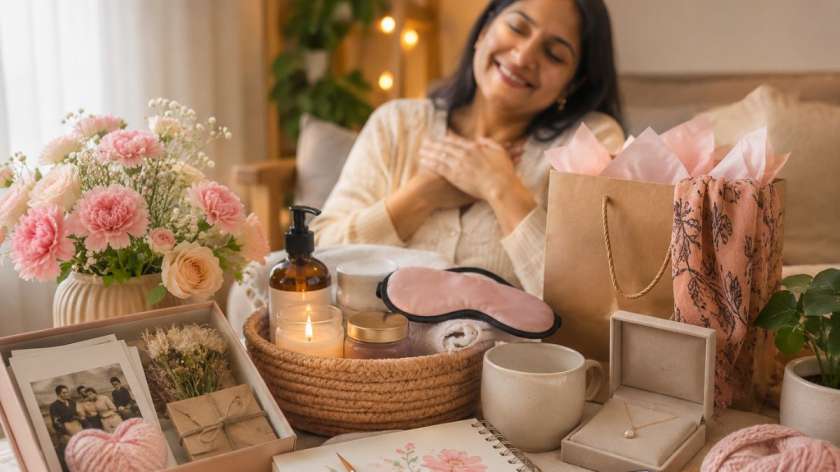
Curated Experience Boxes: Instead of buying a single pre-made gift basket, assemble a bespoke care package containing their exact favorite snacks, scents, books, and self-care items tailored to their precise tastes.
The Power of Handwritten Messages and Presentation
The presentation and accompanying message often carry more emotional weight than the physical item inside the box. Skipping a hasty card in favor of a thoughtful written note changes how the recipient receives the gift.
Crafting a Meaningful Note
A written note frames the gift, explaining the sentiment behind your choice.
-
Explain the Intent: Express explicitly why you chose this specific item and what the recipient means to you.
-
Share a Specific Memory: Mention a specific moment that reminded you of them while selecting the gift.
-
Express Gratitude: Use the card as an opportunity to thank them for their presence, support, or friendship over the past year.
Thoughtful Packaging and Unboxing
The physical process of opening a gift creates anticipation and delight. Paying attention to packaging elevates the experience.
-
Use Reusable or Natural Materials: Wrap items in cloth, vintage scarves, or high-quality butcher paper finished with natural twine and fresh greenery like sprigs of rosemary or eucalyptus.
-
Layer the Discovery: Place small notes or minor items at different layers inside the box, turning the unboxing process into a multi-stage journey.
-
Include Sensory Details: Add subtle scents, soft tissue paper, or tactile textures to make the tactile experience of opening the gift feel luxurious and intentional.
Turning Material Gifts into Shared Experiences
Sometimes, the most personal gift is not a physical object at all, but a shared memory waiting to happen. Combining an item with an experiential invitation deepens your bond.
-
Gift a Skill or Workshop: Purchase tickets for a cooking class, pottery workshop, or wine tasting, and explicitly state in the card that you will be attending together.
-
Plan a Tailored Day Out: Plan an entire day tailored around their favorite activities, handling all logistics, expenses, and scheduling yourself.
-
Provide an Experience Kit: Pair a physical item with an activity, such as gifting a high-quality cast-iron skillet alongside all the fresh ingredients and a printed recipe for a meal you plan to cook for them.
Frequently Asked Questions
What if I have a very low budget for a gift?
Personal meaning depends on thought, not price tags. Low-budget options like a handwritten letter detailing favorite memories, a custom digital playlist with written notes for each song, or a home-cooked meal often carry significantly more emotional value than expensive store-bought items.
How can I make a gift card feel personal?
Avoid handing over a plain plastic card in a paper sleeve. Pair the gift card with a small, thoughtful physical item related to the venue. For example, place a coffee shop gift card inside a nice travel mug, or pair a bookstore gift card with a personalized leather bookmark and a list of your personal book recommendations.
Is it acceptable to ask someone directly what they want?
Asking directly is acceptable, especially if someone prefers practical gifts. However, you can still make a requested item feel personal by how you present it, adding a heartfelt handwritten letter, or pairing the requested item with an unexpected, small thoughtful extra.
How do I make a personal gift for someone I do not know very well?
Focus on observational details and elevated everyday comfort. Observe their workspace, common interests, or favorite beverages. Gifting a high-end version of a small staple, such as artisanal teas, a luxury hand cream, or a sleek desk accessory paired with a warm, welcoming note, demonstrates care without overstepping boundaries.
How far in advance should I start planning a personal gift?
Keeping a year-round notes file on your phone allows you to capture ideas effortlessly as people mention them naturally in conversation. Starting physical preparations or ordering customized items two to three weeks before an occasion prevents rush shipping stress and allows time for thoughtful presentation.
Can practical or utilitarian gifts still feel personal?
Yes, practical gifts can feel deeply personal if they address a specific preference or solve an ongoing inconvenience in the recipient’s life. Framing a practical item around how it supports their daily happiness or hobbies demonstrates that you understand and care about their day-to-day well-being.
What should I avoid when trying to make a gift personal?
Avoid forcing inside jokes that are outdated, gifting items that project your own hobbies onto the recipient, or choosing personalized items that lack functional utility or aesthetic appeal. Always prioritize what genuine value or happiness the item brings to their specific life.


Related Posts

Personalized Promotional Gifts Make Lasting Impressions