

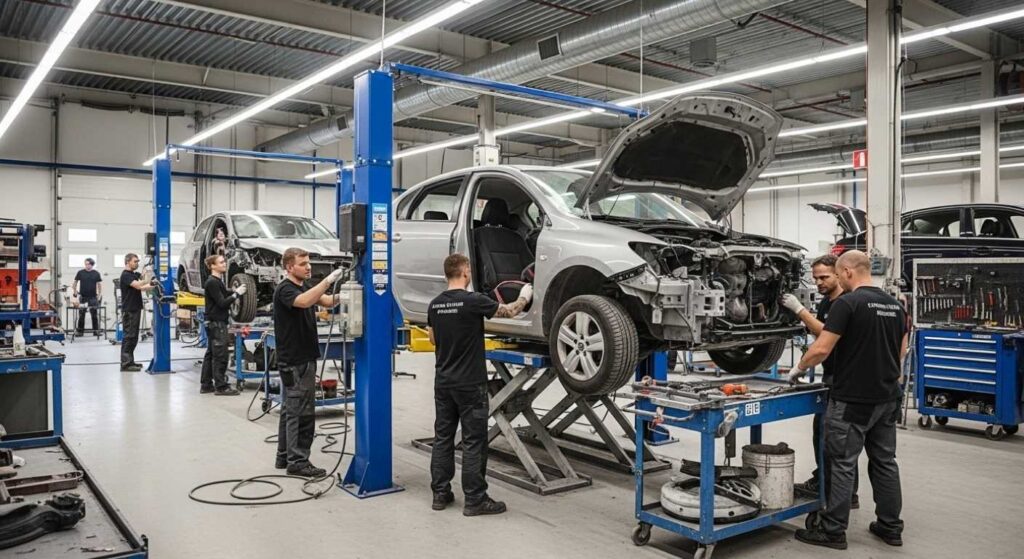
How to Build Trust with Your Auto Repair Shop
Building trust with your auto repair shop is one of the smartest moves any vehicle owner can make. A reliable and transparent relationship with your mechanic not only saves you money but also ensures your car remains in top condition. The truth is that many people hesitate to visit repair shops due to concerns about honesty, unnecessary upsells, or inconsistent quality of service. However, understanding how to develop mutual trust and communication with your mechanic can transform the experience entirely. Establishing a trustworthy connection means your shop becomes a long-term partner in maintaining your vehicle’s safety, performance, and value.
The Importance of Trust in Auto Repair
Trust is the foundation of every professional relationship, and nowhere is that more crucial than in automotive repair. When you leave your car at a repair shop, you’re handing over not just a vehicle but also your safety and financial peace of mind. A trustworthy mechanic ensures your repairs are done correctly, charges fairly, and provides honest assessments without exploiting your lack of technical knowledge.
A solid relationship with your auto repair shop also helps avoid recurring issues and miscommunication. When your mechanic knows your driving habits, service history, and expectations, they can make more accurate recommendations that benefit you long-term. That consistency builds reliability and confidence over time.
Start with Research and Reputation
Before you can build trust, you need to choose the right shop. Start by researching local auto repair shops with a proven reputation in your area. Look for shops that have positive word-of-mouth referrals, strong customer retention, and certified technicians.
Here’s what to consider when evaluating a repair shop’s credibility:
- Certifications: Look for ASE-certified technicians, which ensures your mechanic has professional training and experience.
- Customer Feedback: Read online reviews carefully and pay attention to how the shop responds to criticism. A respectful and solution-oriented response is often a good sign of integrity.
- Longevity: Shops that have been in business for years tend to have an established base of loyal customers and a consistent track record.
- Cleanliness and Organization: A well-maintained and professional environment reflects attention to detail and pride in workmanship.
Once you’ve chosen a reputable shop, the process of building trust truly begins.
Communicate Clearly and Ask Questions
Effective communication is essential for establishing mutual respect. When you first bring your vehicle in, explain the issue in as much detail as possible. Describe when the problem occurs, what sounds or sensations accompany it, and how long it’s been happening. Providing accurate information helps your mechanic diagnose the issue more efficiently.
Never hesitate to ask questions. A trustworthy mechanic will always take the time to explain:
- What repairs are needed and why
- How long the work will take
- What the estimated cost includes
- Whether any repairs can be postponed safely
By asking detailed questions, you demonstrate that you’re engaged and knowledgeable. This approach encourages transparency and signals to your mechanic that you value honesty over convenience. Over time, these open discussions form the basis of mutual respect and understanding.
Request Written Estimates and Invoices
Always ask for a written estimate before approving any major repair work. A reputable shop will gladly provide one that includes labor, parts, and potential additional costs. This transparency ensures you won’t face hidden fees or unexpected charges once the job is complete.
Similarly, request detailed invoices after every service. A good invoice should list each task performed, part replaced, and labor cost separately. Not only does this documentation protect you financially, but it also creates a record of your vehicle’s maintenance history—something that can be extremely valuable for resale or warranty purposes.
Having this paperwork also reinforces accountability. When a shop provides detailed, organized documentation, it demonstrates professionalism and a commitment to clarity.
Understand Your Car’s Maintenance Needs
The best way to build trust with your auto repair shop is to become an informed car owner. You don’t need to be a mechanic, but understanding basic maintenance schedules, oil change intervals, brake inspection timelines, and tire rotation frequencies can help you communicate better and make more informed decisions.
When you understand what your car needs and when, you can tell the difference between a legitimate recommendation and an unnecessary upsell. This not only saves you money but also builds mutual respect between you and your mechanic. Most professionals appreciate customers who take their vehicle’s maintenance seriously and are willing to follow through with proper care.
Build a Long-Term Relationship
Trust isn’t built overnight. The best way to establish confidence in your repair shop is to stick with one mechanic for most of your vehicle’s needs. By returning to the same shop consistently, you allow the technicians to become familiar with your vehicle’s service history, performance patterns, and common issues.
A long-term relationship benefits both parties. The mechanic gets to know your car inside out, which makes diagnostics faster and more accurate. Meanwhile, you gain a trusted advisor who genuinely wants your vehicle to perform its best. Over time, they may even offer loyalty discounts, prioritize your appointments, or provide courtesy checks as a gesture of appreciation.
Observe Transparency and Honesty
Trustworthy auto repair shops always communicate openly. They’ll show you damaged parts, explain why replacements are necessary, and discuss possible repair alternatives. If a mechanic hesitates to answer questions or avoids providing clear explanations, that’s a red flag.
Transparency also includes how they handle mistakes. Even experienced professionals can make errors. What separates the best shops from the rest is how they take responsibility. A reliable mechanic will admit the issue, fix it promptly, and ensure your satisfaction without argument or excuses.
Verify Warranties and Guarantees
Many auto repair shops offer warranties on both parts and labor. Understanding these policies is essential for trust. Ask questions like:
- What is the warranty period for parts and labor?
- Are warranty repairs covered in full or partially?
- Do I need to bring the car back to the same shop for warranty claims?
When a shop confidently stands behind its work, it’s a strong indication of professionalism and quality. Mechanics who offer warranties are effectively saying, “We trust our work enough to guarantee it.” This assurance strengthens your confidence in their reliability.
Observe How They Handle Small Services
If you’re trying a new auto repair shop for the first time, start with minor services such as an oil change, tire rotation, or brake inspection. This allows you to evaluate their honesty, professionalism, and communication without committing to expensive repairs right away.
Pay attention to the following during your initial visits:
- Do they explain what they did clearly?
- Did they pressure you into additional services?
- Was the shop environment clean and organized?
- Did they treat you respectfully and answer all questions?
These smaller interactions give you insight into the shop’s culture and integrity before entrusting them with major repair work.
Use Consistent Feedback
Building trust is a two-way process. If you’re happy with the service, let your mechanic know. Expressing appreciation builds rapport and encourages them to maintain high standards. On the other hand, if something doesn’t meet your expectations, provide constructive feedback respectfully.
Shops that value their reputation will take your input seriously and make improvements. Over time, this level of open communication deepens mutual trust and ensures you always receive quality service.
Respect Their Expertise
While it’s important to ask questions, it’s equally vital to respect your mechanic’s expertise. Skilled technicians spend years mastering diagnostics, repair techniques, and evolving automotive technologies. Listening to their professional advice shows you value their knowledge.
When they recommend a particular service or part, ask for clarification rather than challenging their judgment outright. Most mechanics are happy to explain why a certain repair is necessary. Trust grows naturally when both sides acknowledge and respect each other’s expertise.
Keep Up with Regular Maintenance
Consistent maintenance is not just about keeping your car running—it’s also about showing your mechanic that you care about your vehicle’s longevity. When you follow their maintenance advice and schedule timely checkups, it signals reliability and responsibility.
Shops are more likely to prioritize customers who maintain their vehicles properly, knowing their work will yield lasting results. This mutual respect ensures your car receives the attention it deserves, and you continue to enjoy dependable service.
FAQs
Q1. How can I tell if my auto repair shop is being honest about needed repairs?
Ask them to show you the damaged parts and explain the issue in detail. A trustworthy mechanic will never hesitate to provide visual proof or clear reasoning for the work they recommend.
Q2. Should I get a second opinion before agreeing to major repairs?
Yes, it’s always wise to confirm large repair estimates with another trusted mechanic. If both agree, you can move forward confidently knowing the diagnosis is legitimate.
Q3. How often should I visit my auto repair shop for maintenance?
It depends on your car’s make, model, and mileage. Generally, a check-up every 5,000 to 7,500 miles keeps your vehicle in good shape and prevents costly issues.
Q4. Can I build trust with a mechanic even if I don’t understand cars well?
Absolutely. Trust is built on honesty, not technical knowledge. By asking questions, requesting transparency, and showing consistent responsibility, you can establish a solid relationship regardless of expertise.
Q5. What should I do if I feel my shop overcharged me?
Address the issue calmly and directly. Review your invoice, ask for clarification, and give the shop a chance to explain or correct the mistake. A reputable business will work with you to resolve it fairly.
Q6. Is it better to stick with one repair shop for all services?
Yes, consistency is key. Staying with one reliable shop allows them to track your vehicle’s history, making repairs more accurate and efficient over time.
By applying these principles, you’ll not only learn how to build trust with your auto repair shop but also create a relationship built on transparency, respect, and reliability. A trustworthy mechanic isn’t just someone who fixes your car—they’re a long-term partner in keeping your vehicle safe, efficient, and dependable for years to come.


Related Posts


Shopping Online Has Become Becoming old

