Adorning Life: The Subtle Power of Accessories in Personal Expression
The Unspoken Language of Accessories
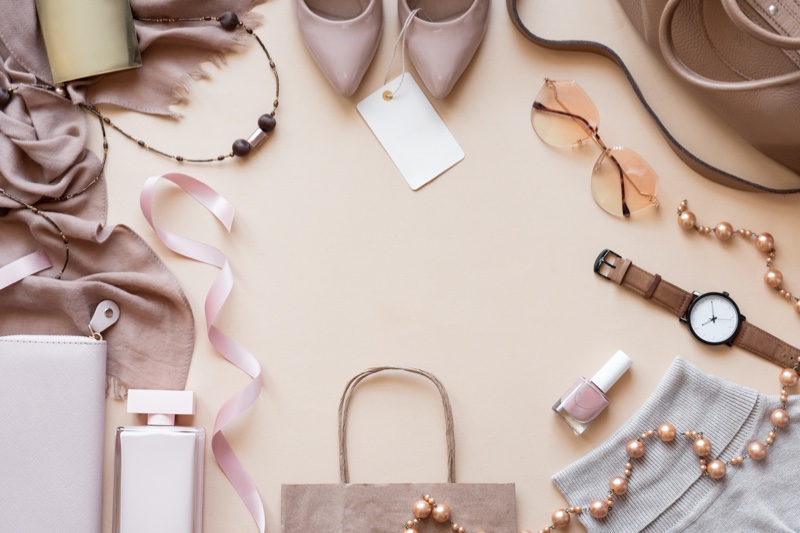
In a world increasingly obsessed with minimalism and uniformity, accessories remain an enduring testament to individuality. From an elegant watch resting lightly on one’s wrist to the understated glimmer of a pair of cufflinks, these finishing touches are far more than mere embellishments — they are extensions of our character and silent narrators of our stories.
Accessories, in their most authentic sense, are not about excess but about finesse. They transform an outfit, elevate a mood, and, at times, announce our moods to the world without a single word spoken. The scarf tossed artfully over the shoulder, the heirloom brooch pinned with care, or the vintage leather satchel slung casually over the arm — each is a brushstroke on the canvas of self-presentation.
A Historical Glimpse: From Status Symbol to Personal Statement
Long before modern fashion houses minted their iconic logos onto handbags and belts, accessories were powerful symbols of rank and identity. Ancient Egyptian nobles adorned themselves with elaborate necklaces of turquoise and gold, not simply to beautify but to proclaim wealth and divine favour. In Renaissance Europe, a gentleman’s hat and gloves were tokens of respectability and class, while the fan, in the hands of a lady, was a subtle tool of flirtation and coded communication.
Today, while accessories may no longer carry rigid societal codes, they continue to reflect a person’s taste, background, and aspirations. They tell us who we wish to be — or at least how we wish to be perceived.
The Versatility of Modern Accessories
One of the most captivating qualities of accessories is their remarkable versatility. Unlike a garment, which is often bound by season and occasion, an accessory can dance fluidly between formal and casual, day and night.
Consider these quintessential categories:
1. Jewellery:
-
Earrings — Whether classic diamond studs or bold geometric shapes, earrings frame the face and draw attention to one’s expressions.
-
Necklaces — A delicate chain whispers elegance, while layered chokers or chunky pendants make a bolder artistic statement.
-
Rings — Often imbued with sentimental value, rings can be minimalist or ostentatious, each revealing a glimpse of the wearer’s inner world.
2. Watches:
A well-crafted watch is more than a timepiece. It suggests punctuality, taste, and a certain reverence for craftsmanship. From sleek, contemporary smartwatches to vintage automatics, the watch remains a staple accessory that marries function and form.
3. Bags and Belts:
Handbags and belts are practical yet powerful signifiers. A luxurious leather briefcase commands respect in a boardroom, while a playful crossbody bag adds a touch of whimsy to a weekend brunch. A belt cinches the waist but also completes an ensemble with finesse.
4. Scarves and Hats:
A silk scarf draped around the neck or tied to a handbag handle offers a splash of colour and texture. Hats, meanwhile — be they fedoras, berets, or wide-brimmed sun hats — are instant mood shifters, channeling vintage glamour or bohemian freedom.
5. Eyewear:
Sunglasses and optical frames have transcended utility. They are now statement pieces in their own right. The right pair of glasses can soften features, add gravitas, or project an air of avant-garde cool.
Sustainability and the Modern Mindset
As consumers grow more mindful, the world of accessories, too, is experiencing a reckoning. Fast fashion’s disposable approach has given way, in many circles, to a renewed appreciation for quality, longevity, and ethical production. Heirloom jewellery is being refashioned for new generations. Vintage bags are finding second lives through luxury resale markets. Artisanship is being championed once more — the hand-stitched leather wallet, the bespoke hat, the handcrafted earrings purchased directly from a local maker.
This shift is not merely practical; it is philosophical. To invest in a well-made accessory is to cherish the story behind it — the craftsman’s hands, the cultural heritage, the idea that beauty should endure.
The Art of Accessorizing: A Gentle Guide
If clothes are the foundation, accessories are the poetry. But striking the right balance is an art form. Here are a few timeless principles:
-
Less Can Be More: Let one piece be the focal point. An ornate necklace demands minimal earrings. Bold earrings, meanwhile, beg for an uncluttered neckline.
-
Consider Occasion and Context: A bejewelled clutch may dazzle at an evening gala but looks out of place at a farmer’s market. Similarly, a playful straw hat belongs on a sun-drenched beach, not a formal corporate meeting.
-
Layer Thoughtfully: Stacking bracelets or necklaces can look effortlessly chic if done with a unifying theme — be it metal tones, colours, or style.
-
Honour Sentiment: Accessories with personal stories — a grandmother’s locket, a bracelet from a special trip — add depth to an outfit. They are conversation starters and emotional anchors alike.
Accessories in the Digital Age
Interestingly, the virtual world has not dulled our desire for tangible adornment. In fact, in an era dominated by video calls and social feeds, accessories are often the only elements that distinguish one pixelated square from another. A striking pair of earrings or a colourful scarf can breathe life into a digital meeting, reminding us — and those watching — that we remain vibrant beings behind the screens.
The Enduring Allure
In the end, accessories are so much more than objects. They are echoes of the past and nods to the future. They allow us to play, to experiment, to honour tradition, or to rebel against it entirely. They give us the freedom to rewrite ourselves daily, in the smallest, most elegant of ways.
So the next time you fasten a watch, tie a silk scarf, or slip on a cherished ring, remember — you are not merely dressing up. You are, quite subtly, telling the world exactly who you are. And perhaps, more importantly, who you dream of becoming.