Beyond Adornment: The Enduring Spell and Silent Stories of Jewellery
The Intimate Language of Jewellery
Jewellery is more than a glittering flourish to complete an outfit; it is, and always has been, an unspoken language. Across cultures and centuries, people have slipped rings onto fingers, fastened necklaces around necks, pinned brooches to coats, and slipped bangles over wrists — not merely to decorate the body but to declare identity, status, devotion, and memory.
To wear jewellery is to wear meaning. A plain gold wedding band, a grandmother’s vintage brooch, a bracelet bought on a faraway holiday — each piece is a tiny keeper of secrets, reminders of who we are, where we come from, and the chapters that shape us.
A Glittering Heritage: Tracing Jewellery Through Time
Archaeologists unearthing ancient tombs find more than pottery shards and faded textiles — they find necklaces of beads, metal amulets, gold diadems. These buried treasures tell us something essential about human beings: our longing to adorn, to signify, to carry beauty and power on our bodies.
In ancient Egypt, elaborate gold collars and scarab rings were more than decoration. They signified status and offered spiritual protection in this world and the next. Greek and Roman civilisations perfected goldsmithing and gem cutting, creating laurel crowns and cameos that denoted rank and taste. In India, jewellery has always had profound cultural roots, from the symbolic mangalsutra tied at weddings to bangles that chime with every movement, blessing prosperity and good fortune.
Across Africa, beadwork necklaces and bracelets hold clan histories and social markers. In the Victorian era, lockets concealed tiny portraits or a beloved’s hair — tokens of love, remembrance, and sometimes mourning.
Jewellery’s Many Forms: An Evolving Art
From crown jewels to humble silver rings, jewellery covers a vast terrain of forms, each with its own subtle meaning and timeless allure.
1. Rings: Circles of Promise
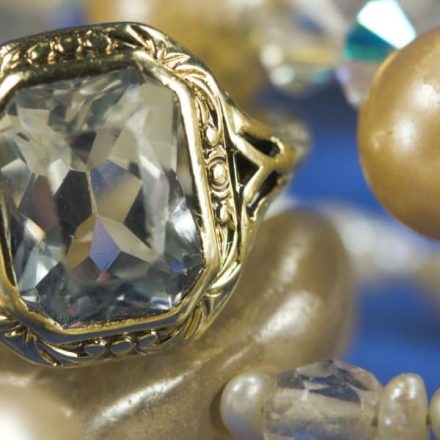
Few items carry as much symbolism as the ring. Engagement and wedding rings signify eternal commitment. Signet rings once sealed royal decrees, while today they may carry a family crest or initials. Whether a sparkling diamond or an understated gold band, a ring says: I am bound to something, or someone.
2. Necklaces: Close to the Heart
A necklace draws the eye to the throat and collarbone — some of the body’s most delicate, expressive parts. Pendants can cradle lockets, initials, tiny relics, or gemstones that carry birthstone meanings. A strand of pearls evokes elegance that never dates. A statement collar, meanwhile, can transform an ordinary outfit into a declaration.
3. Earrings: Framing the Face
Earrings have adorned ears since ancient times, from simple studs to extravagant chandeliers. A tiny diamond stud suggests quiet sophistication. Large hoops hint at playfulness and confidence. In many cultures, ear piercing is a rite of passage — the first step into the world of personal adornment.
4. Bracelets and Bangles: A Subtle Jingle
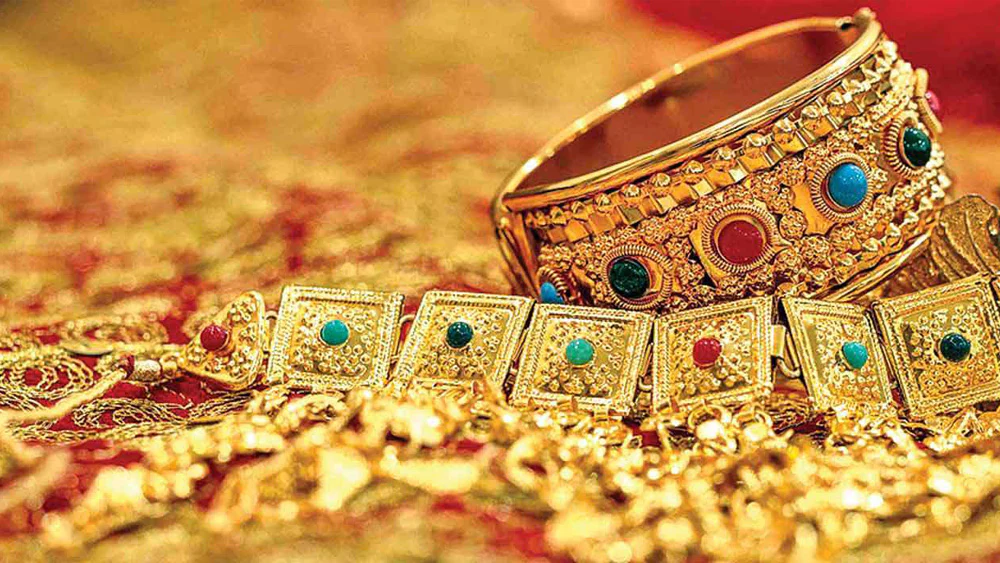
The gentle clink of bangles on a wrist can signal a woman’s marital status in parts of South Asia. A charm bracelet tells a more modern story — each charm a marker of a life event, a keepsake worn every day. Cuffs, meanwhile, can be dramatic pieces of wearable art.
5. Brooches and Pins: An Understated Revival
Brooches once held cloaks together, but became symbols of status and wealth among European nobility. Today, they have returned as playful accents on jackets and scarves — vintage brooches, in particular, offer a nod to the past while adding individuality to modern looks.
The Mastery Behind the Beauty
True jewellery is as much about craftsmanship as it is about materials. A master jeweller must know how to coax metal into fine filigree, how to set a fragile gemstone so it catches light at the perfect angle, how to solder and polish and balance weight and wearability.
Common materials that define jewellery’s beauty include:
-
Gold: Coveted for millennia for its malleability and warm glow.
-
Silver: Affordable yet elegant, ideal for both everyday wear and heirloom pieces.
-
Platinum: Durable and rare, a modern favourite for wedding bands and diamond settings.
-
Gemstones: Each with unique allure — diamonds for brilliance and eternity, rubies for passion, emeralds for vitality, sapphires for loyalty.
-
Organic materials: Pearls, coral, and amber connect jewellery to nature and ancient craft.
It is this blend of nature’s raw elements and human artistry that makes jewellery timeless.
Wearing Values: Ethics and Sustainability in Modern Jewellery
Today’s wearer cares about more than sparkle. Many want to know that their jewellery carries an ethical story, not just an aesthetic one. Consumers increasingly seek conflict-free diamonds, recycled gold, and fair-trade gemstones.
Ways the industry is changing:
-
Transparent Sourcing: Jewelers now certify that stones are mined without funding conflict or exploiting labour.
-
Lab-Grown Diamonds: Technologically identical to natural stones, they offer ethical and often more affordable alternatives.
-
Vintage and Recycled: Many choose antique pieces or rework family heirlooms, giving old treasures new life.
Jewellery as a Gift: A Gesture Beyond Words
Why does gifting jewellery feel so profound? Because it is rarely practical — no one needs a ring or necklace — which makes it a pure gesture of affection, celebration, or memory. A piece of jewellery is timeless, often outlasting the giver and becoming a family heirloom.
Occasions where jewellery shines as a gift:
-
Proposals and Weddings: Rings bind two lives together in the most enduring way.
-
Birthdays and Milestones: A pendant or bracelet marks a significant chapter.
-
Inheritance: A grandmother’s ring or father’s cufflinks passed down binds generations through a tangible link.
The Eternal Spell
What makes jewellery extraordinary is its paradox: so small yet so significant, so fragile yet so enduring. A pair of earrings can be forgotten in a drawer for years, only to resurface and instantly bring back a memory. A wedding band worn daily can feel like a part of the wearer’s very being.
To wear jewellery is to carry more than metal and stone — it is to carry stories, identity, love, and legacy. In this way, jewellery is more than adornment: it is an heirloom, an expression, an inheritance, and an art form that continues to evolve while honouring the deep human desire to shine, connect, and remember.