Threads of Identity: How Clothing Shapes Our Stories and Our Selves
Dressing Beyond Fabric: The Power of What We Wear
Every morning, whether we realise it or not, we perform a small ritual that speaks volumes about who we are and how we wish to be perceived — we choose what to wear. Clothing, often dismissed as merely functional or superficial, is in truth one of the most intimate and immediate ways we communicate with the world. It bridges culture, history, art, and psychology. It tells our stories long before we utter a word.
From the finely tailored suit of a city executive to the worn-in jeans of an artist lost in thought, clothing reveals and conceals in equal measure. It protects and adorns, asserts and softens. It has the quiet power to transform our sense of self and to shape how we are treated by others.
A Stroll Through Time: Clothing as History’s Mirror
Since the dawn of civilisation, clothing has been a marker of status, tribe, and transformation. Ancient Greeks wrapped themselves in flowing chitons, their drapery echoing ideals of freedom and grace. Medieval nobles displayed their rank in lavish brocades and fur-lined cloaks, while sumptuary laws dictated which fabrics commoners could dare to wear.
In the 20th century alone, fashion saw seismic shifts: flappers rebelled against corsets in the 1920s, post-war youth embraced rebellious leather jackets in the 1950s, while the 1980s roared with power suits that mirrored women’s growing presence in corporate boardrooms. Each era’s clothing was not simply fabric but a flag, fluttering with the winds of social change.
Today, our wardrobes continue to archive our times — from sustainable fabrics and gender-fluid designs to the revival of vintage treasures that remind us not everything new must be new-made.
The Modern Wardrobe: Versatility Meets Identity
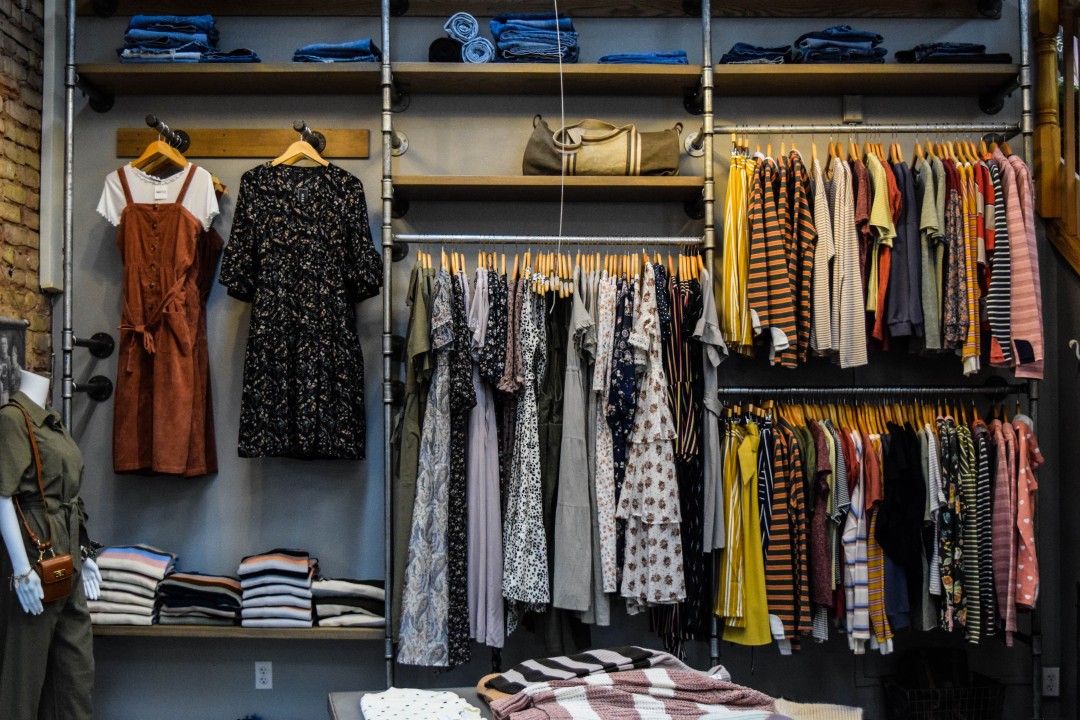
The modern individual curates a wardrobe that is part practicality, part personality. A single closet may house tailored blazers for professional gravitas, breezy linen dresses for summer holidays, and well-worn hoodies for Sunday morning solace.
Consider some key elements of a thoughtfully built wardrobe:
1. Timeless Staples:
-
The White Shirt — Crisp, clean, endlessly versatile, the white shirt remains a canvas for countless looks.
-
Dark Denim — Dress it up or down; dark jeans are a quiet hero piece.
-
Classic Blazer — Whether paired with trousers or thrown over a dress, it lends structure and sophistication.
2. Statement Pieces:
-
Bold Outerwear — A trench coat in a daring hue, a leather jacket with attitude — these instantly elevate the mundane.
-
Patterned Dresses or Shirts — Eye-catching prints breathe life into neutral basics.
3. Comfortable Essentials:
-
Soft Knitwear — A fine wool sweater or cashmere cardigan wraps you in warmth and understated luxury.
-
Tailored Trousers — Polished yet practical, perfect for navigating the modern workday.
The Psychology of Dressing: How Clothes Influence Mind and Mood
Science now supports what stylists have long intuited: what we wear affects how we think, feel, and perform. A study coined the term “enclothed cognition” to describe how wearing certain garments — a lab coat, for instance — can subtly boost our focus and confidence.
Dressing for an important meeting or a first date is not mere vanity but an act of psychological priming. The perfectly fitted suit or the beloved dress that flatters in all the right ways can fortify our sense of competence and allure.
At home, too, our clothing shapes our moods. The ritual of slipping into soft loungewear signals rest; workout clothes motivate the mind for movement and energy. Our wardrobe becomes a toolkit for managing the day’s shifting demands.
Sustainability: Rethinking Our Relationship with Clothing
Yet in our fast-paced world, clothing has become both an art and a challenge. The rise of fast fashion has delivered abundant choice at bargain prices — but at the cost of ethical labour practices and environmental strain.
As awareness grows, so does a movement towards mindful consumption. Many now embrace the philosophy of “buy less, choose well, make it last.” Capsule wardrobes, which rely on a small collection of quality staples that can be mixed and matched, have gained popularity.
Other ways conscious dressers are reimagining their closets include:
-
Supporting Ethical Brands: Opting for labels that prioritise fair wages and sustainable materials.
-
Buying Vintage: Pre-loved clothing extends the life of garments and reduces waste.
-
Repairing and Upcycling: A patch here, a new hem there — simple repairs breathe new life into old favourites.
Clothing as Cultural Conversation
Beyond the practical and aesthetic, clothing is also a powerful cultural and political tool. From the symbolic power of a sari or a kente cloth to the hijab that carries profound spiritual meaning, garments connect us to our roots and communities.
In recent years, fashion has become a potent stage for activism. Designers and wearers alike use clothing to speak on issues like body positivity, gender identity, and racial justice. A slogan tee, a protest pin, or a runway show spotlighting diverse models — all remind us that what we wear can amplify our voices far beyond fabric.
Dressing for the Digital Age
In a world where digital presence rivals physical reality, clothing retains its hold. Video calls have shifted attention from full outfits to the visible waist-up — think crisp collars, bold necklaces, statement glasses. Social media, meanwhile, fuels micro-trends and global conversations about style, democratizing fashion but also adding pressure to constantly refresh one’s look.
Yet at its core, the impulse remains the same: we dress not merely to be seen, but to express, connect, and feel.
A Final Stitch: Clothing as a Living Narrative
Clothing is a living, breathing part of our daily story. It is a tactile journal of memories — the suit you wore to your first job interview, the dress from a summer romance, the sweater knitted by a grandmother’s patient hands.
To dress thoughtfully is to honour ourselves and our unfolding narrative. It is to stand before a wardrobe each day and ask, Who am I today? Who do I wish to become?
In answering, we do not simply cover our bodies — we adorn our lives. And perhaps, in this simple ritual, we remind ourselves that beauty and meaning can be stitched into even the most ordinary moments.


Related Posts
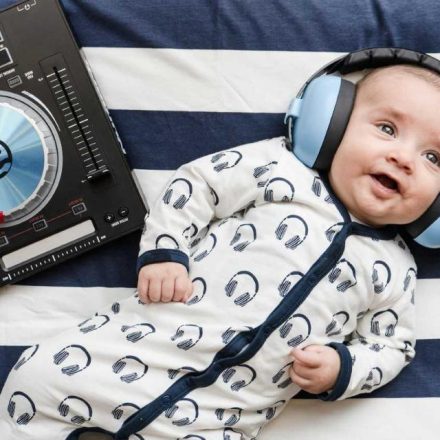

The advantages of Using Organic Baby Clothes